Resource Topic: Financial Optimization / TBM / FinOps

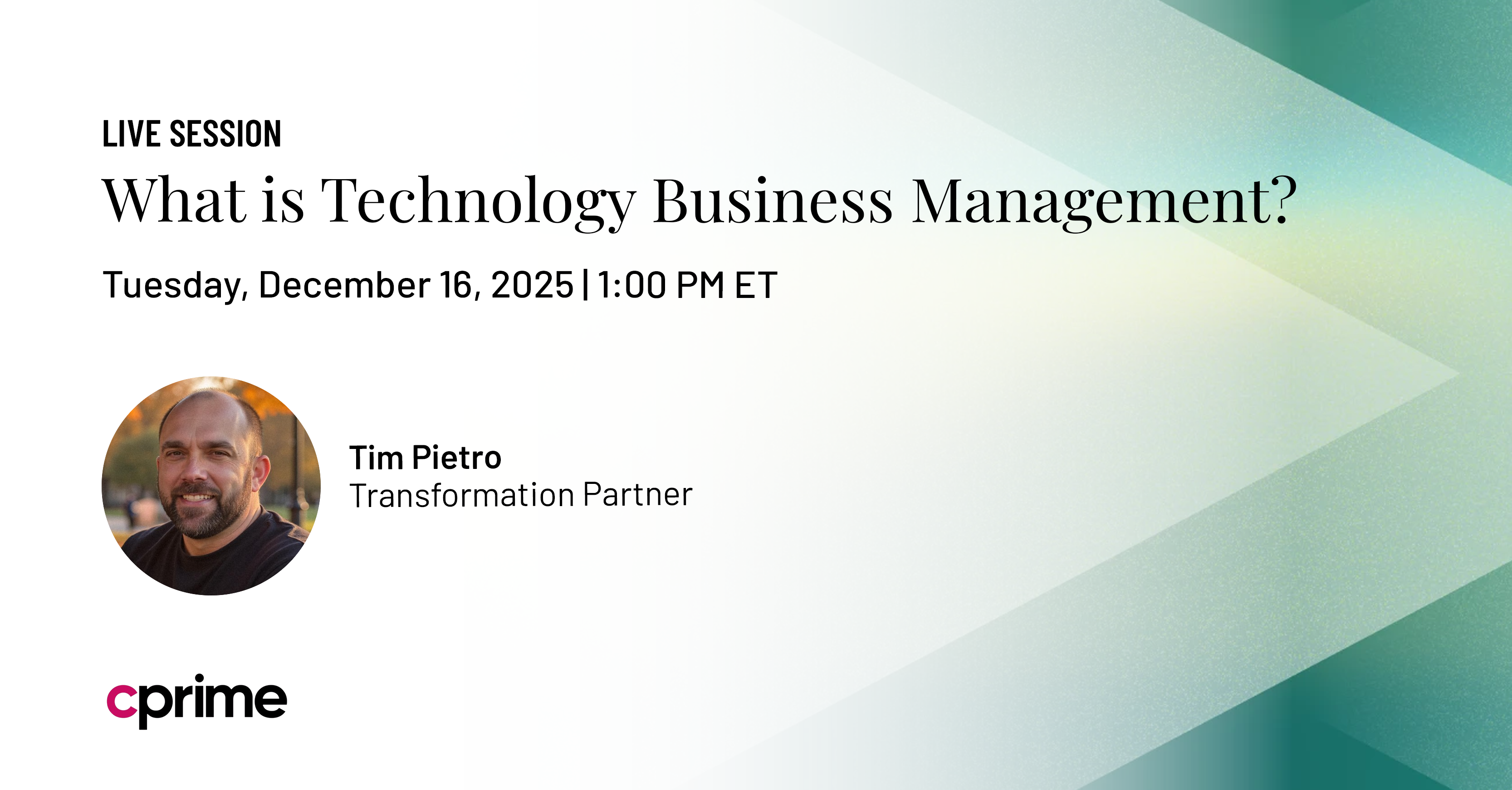
What is Technology Business Management?

Register for this live webinar today.

Join us for this introductory webinar to explore what TBM is, why it matters, and how it enables organizations to align IT investments with business goals. Whether you’re in IT, finance, or business leadership, this session will help you understand the fundamentals of TBM and how it drives smarter decision-making, cost transparency, and strategic alignment.

Ebook: The Enterprise Operating Model, powered by TBM

Uncover how a connected operating model—powered by TBM—turns transformation into measurable momentum.

You’ve invested in agile, cloud, and customer experience. But without a connected operating model, even the smartest initiatives stall. Strategy gets stuck. Funding moves slower than the market. Results fall short of expectations.

This executive ebook introduces a new way forward: an enterprise operating model designed to accelerate value flow by linking planning, funding, execution, and measurement in one adaptive system. And at the heart of that system? Technology Business Management (TBM), the value governance engine that makes strategy measurable, spending accountable, and performance visible in real time.

Most enterprises are filled with strong capabilities that simply aren’t working together. The result: stalled momentum, slow adaptation, and wasted investment.

What you’ll discover inside:

  • Why transformation efforts stall, and what actually unlocks enterprise ROI
  • How TBM powers smarter decisions, faster funding, and measurable results
  • The three-layer operating model that aligns your teams, systems, and investments
  • Examples of how leading enterprises orchestrate execution at scale

If you’re looking to move faster, lead smarter, and drive growth with confidence, this model is built for you.

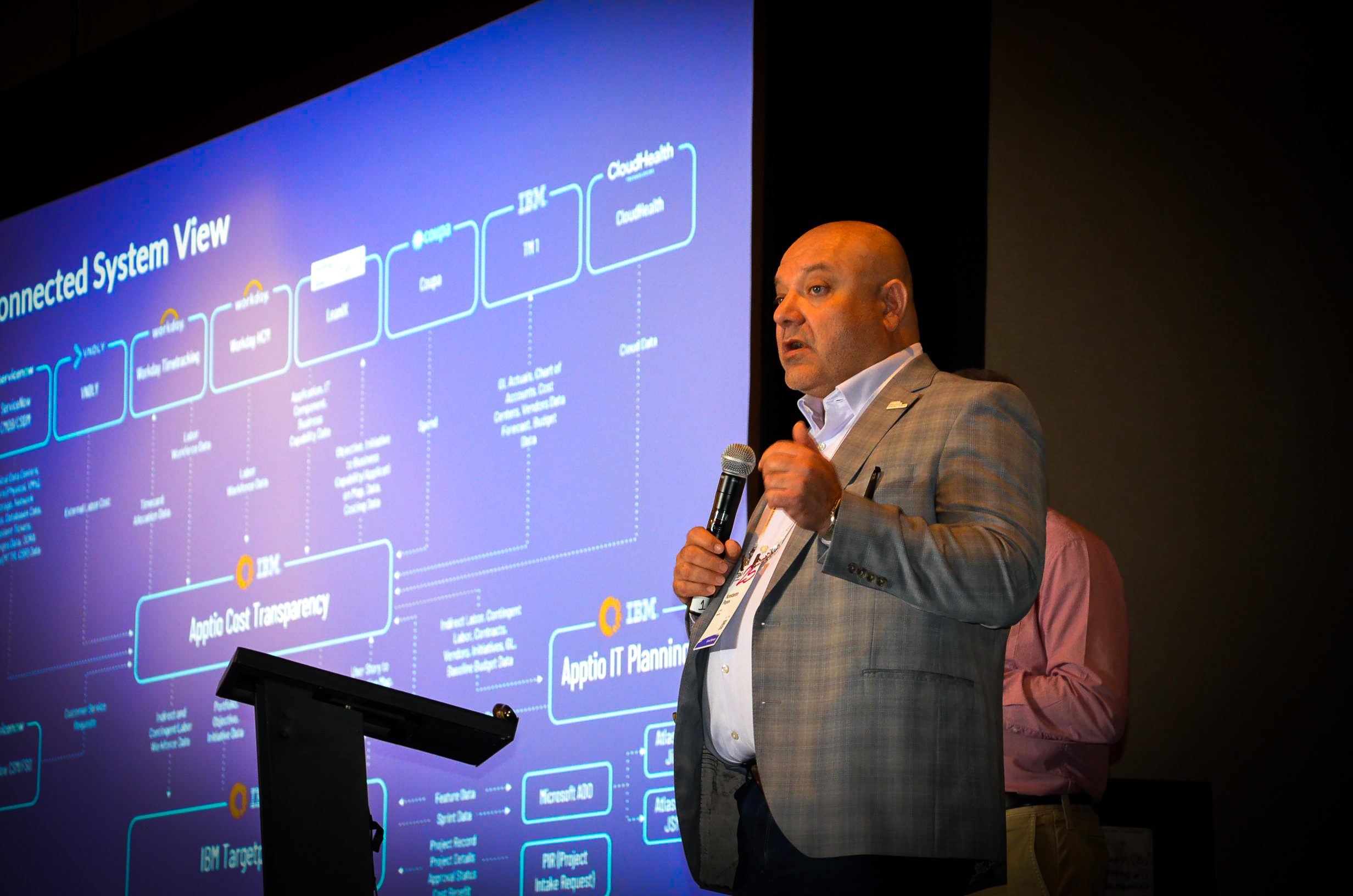
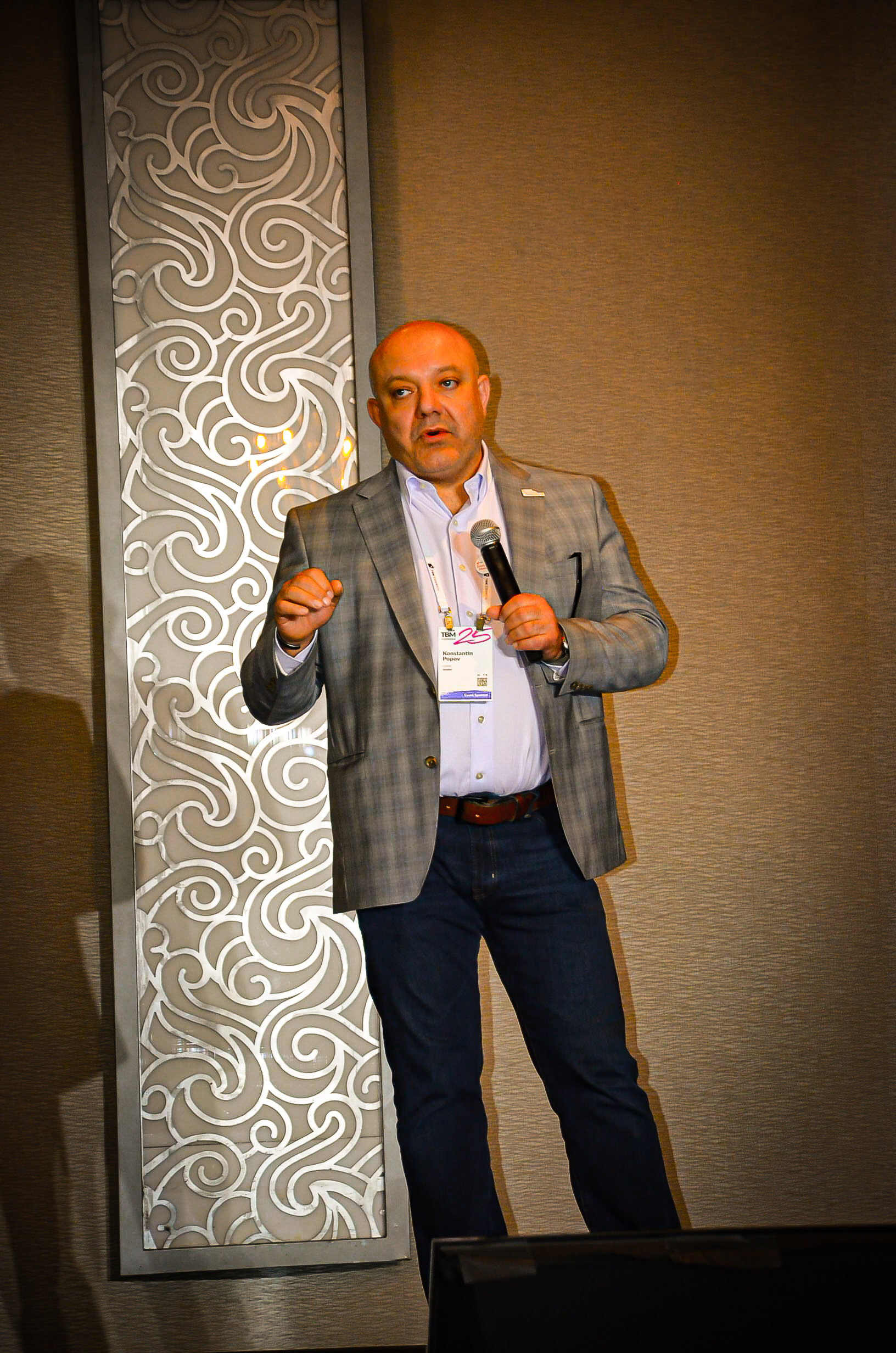
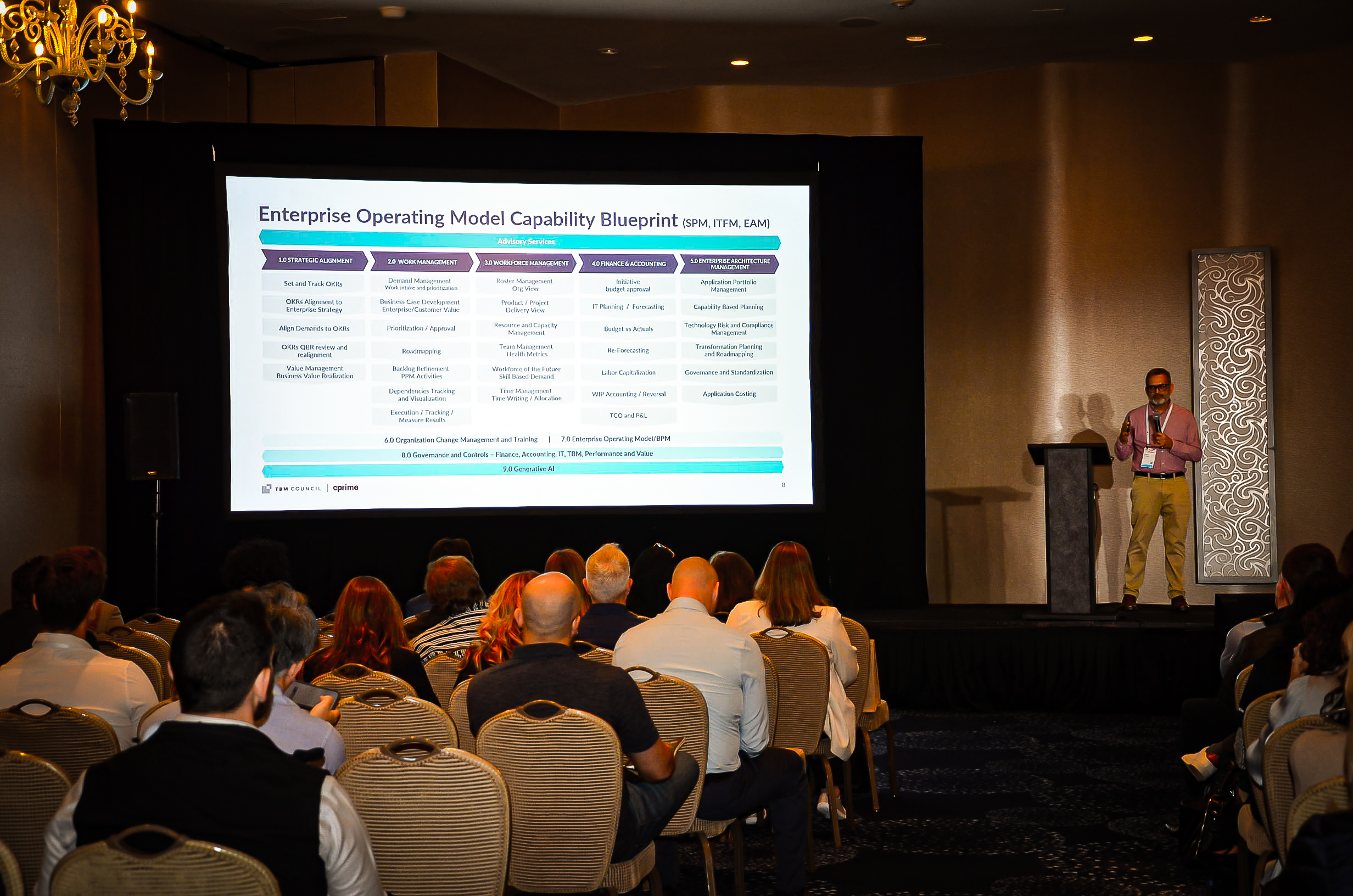
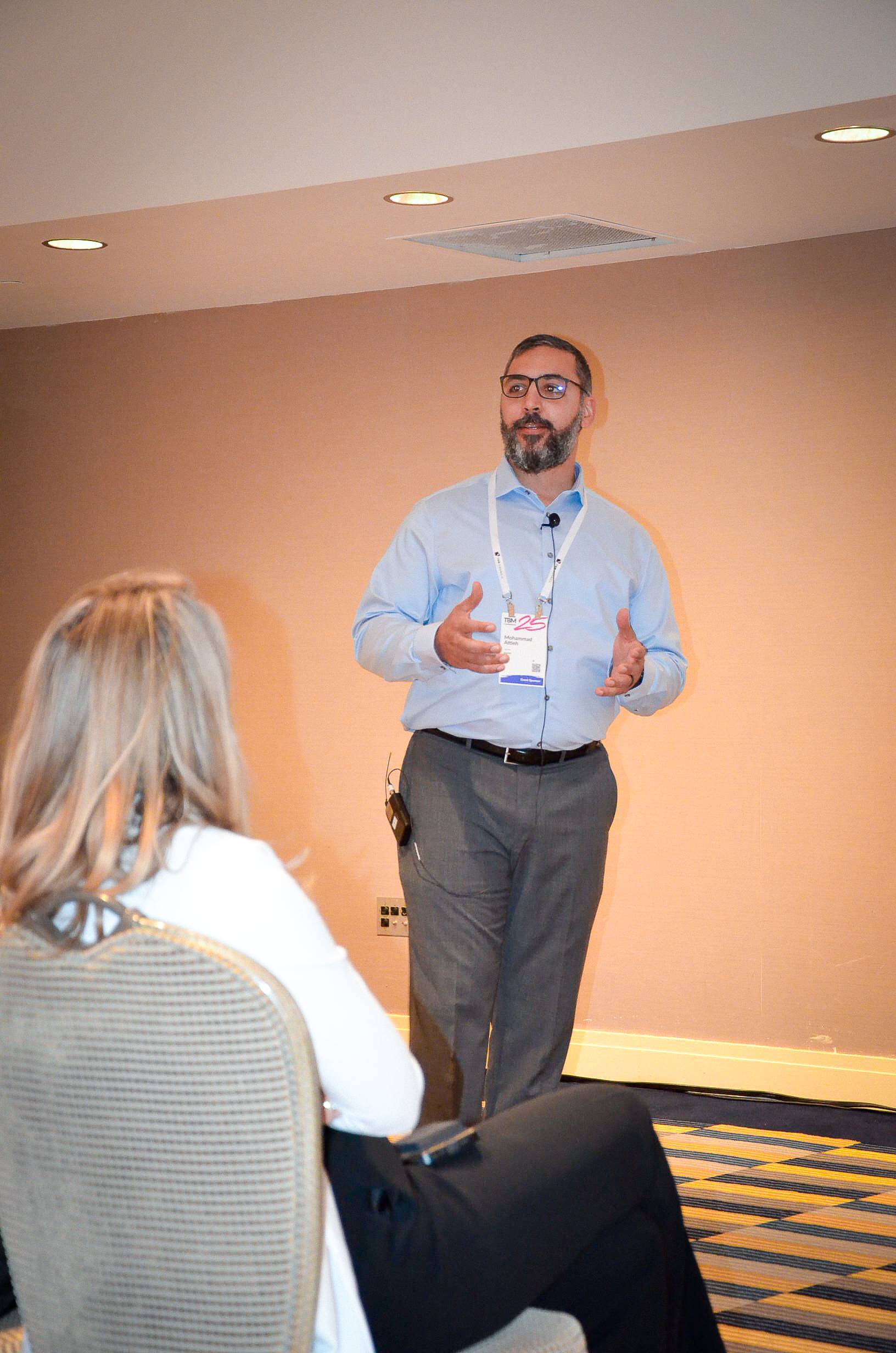
TBM Conference 2025: Strategy, spend, and execution, rewired for impact 

Miami, Florida | November 10–12, 2025 

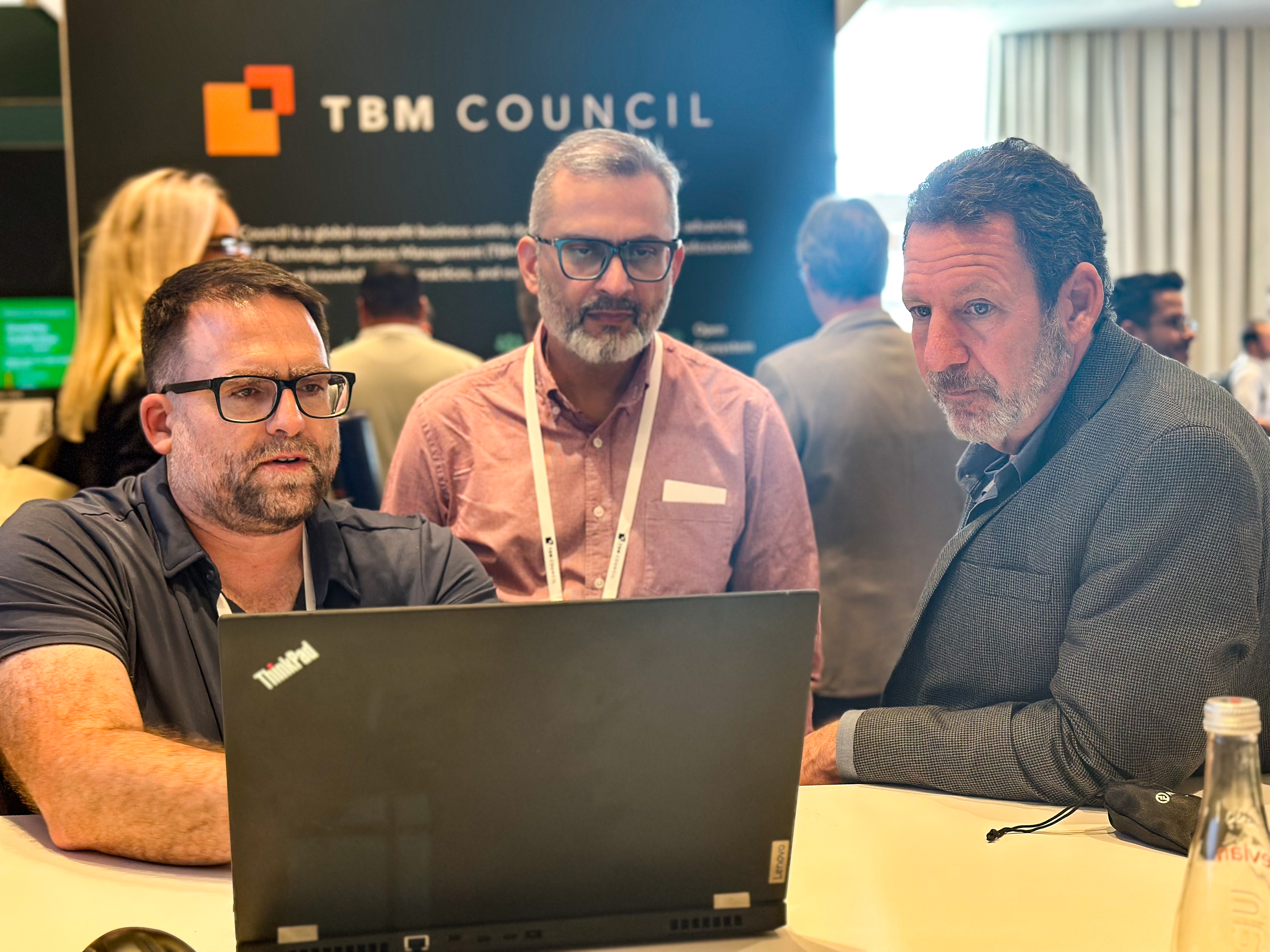
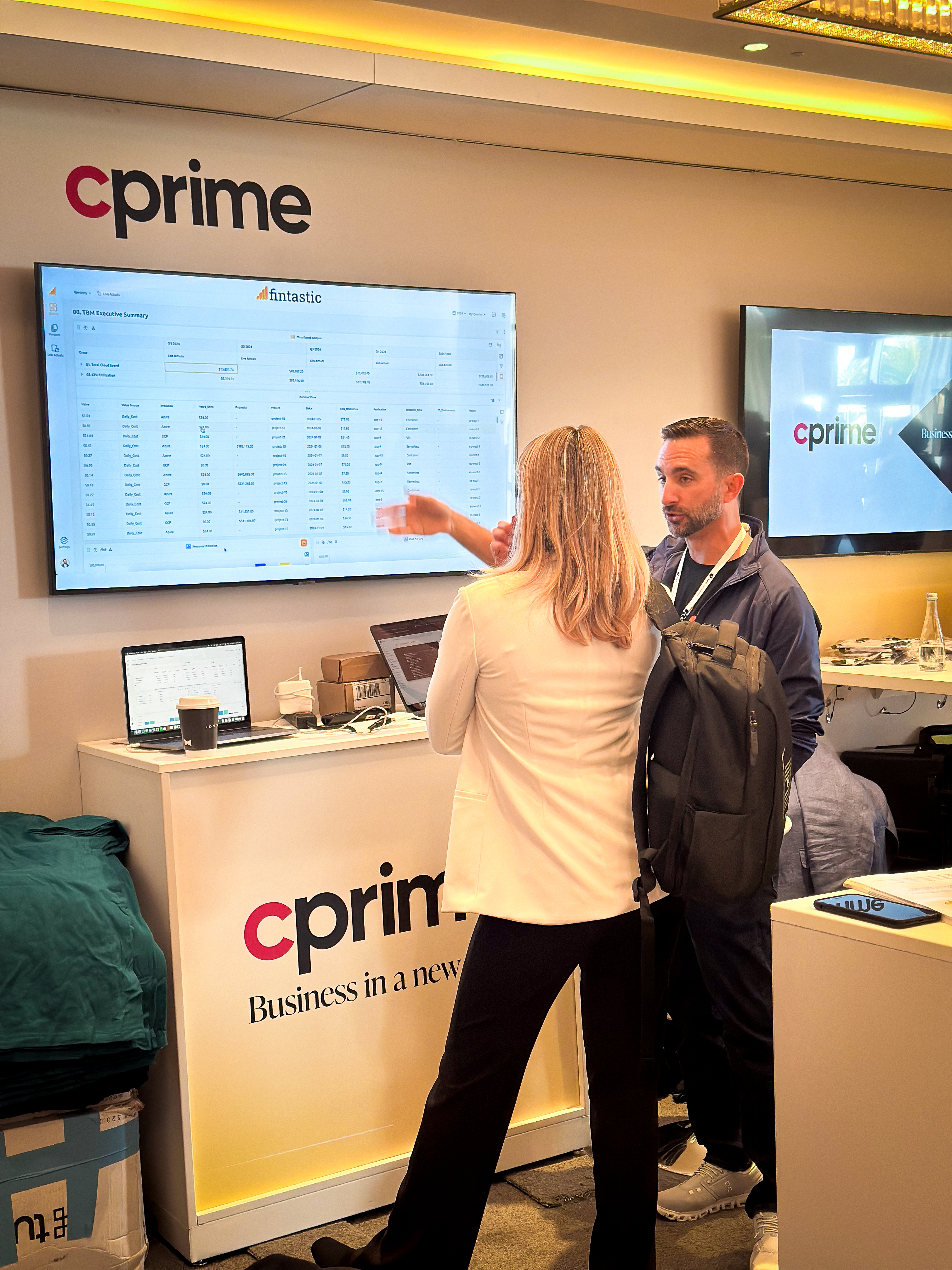
The 2025 TBM Conference brought together leaders who are reshaping how enterprises manage technology, optimize investment decisions, and accelerate value. Over three days, we engaged in deep conversations about connecting strategy, spend, and execution into a single system that drives measurable business outcomes.

Our team hosted sessions across TBM, cost optimization, AI-driven decisioning, and modern operating models. We explored how CIOs, CFOs, and transformation leaders are aligning financial governance, portfolio management, and architecture to move beyond incremental improvements and build connected, high-velocity enterprises.


What we explored at TBMC 2025 

The evolution of TBM inside a modern operating model — Sessions focused on how TBM now anchors the economic intelligence layer of the Enterprise Operating Model, enabling real-time visibility, smarter trade-offs, and funding that adapts as priorities shift. 

AI’s role in accelerating financial and operational performance — Leaders discussed how AI enhances forecasting, strengthens investment decisions, and reduces the lag between planning and execution. The message was clear: AI-powered financial operations set the pace for enterprise agility.

Closing the orchestration gaps that stall transformation — Breakout discussions highlighted the friction points that slow value flow—siloed portfolios, outdated funding cycles, architectural constraints—and how connected TBM practices help enterprises scale impact faster.

Real stories from enterprise practitioners — Our sessions covered practical examples of how organizations modernized financial governance, improved cross-functional alignment, and strengthened ROI visibility while advancing their operating model maturity.


From Listening to Leading: Our Journey to TBMC 2025

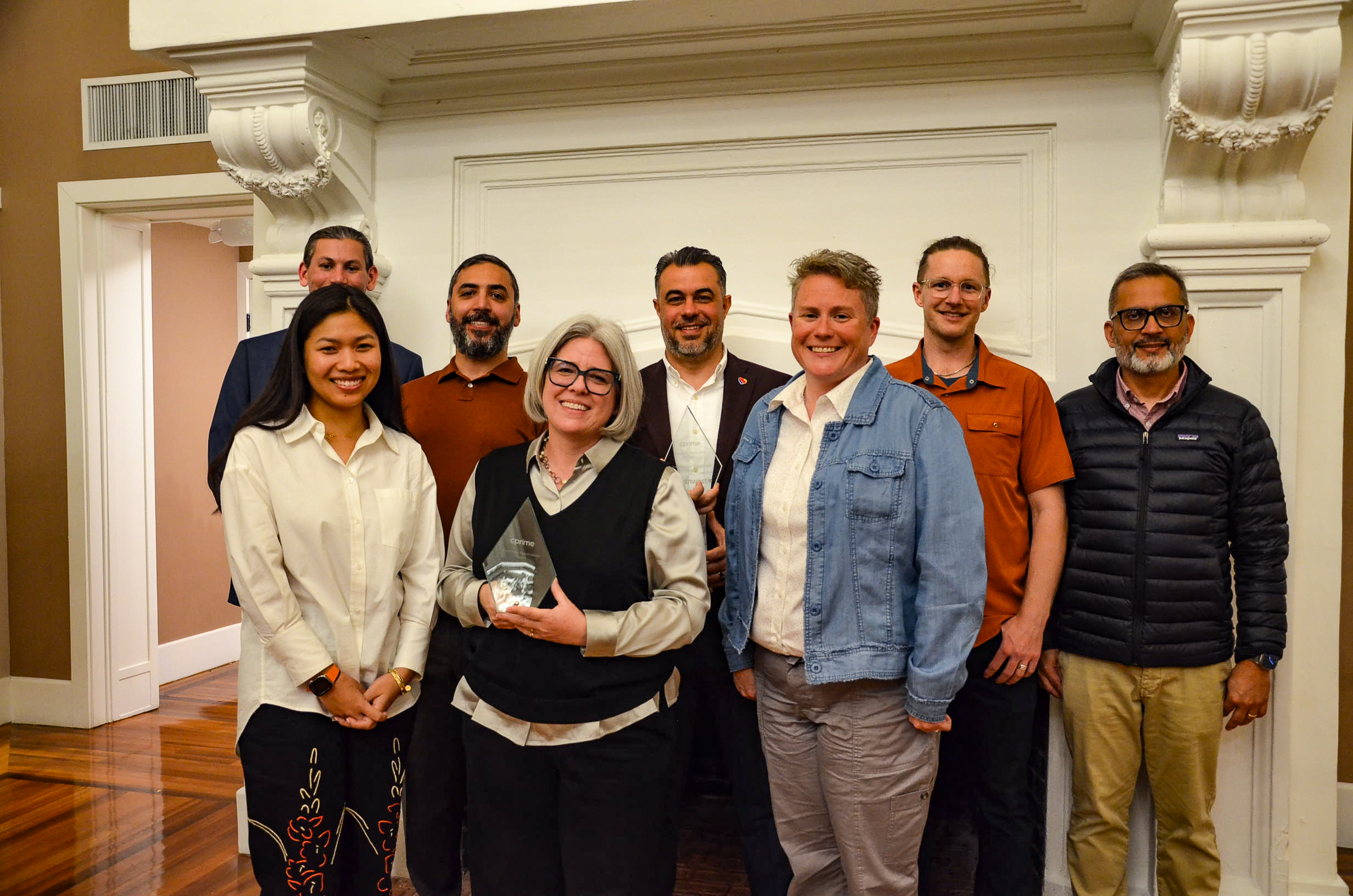
Discover how Cprime is shaping the future of enterprise operating models at TBMC 2025 with clients CNO Financial.


Featured insights and session materials

Explore related resources from TBMC 2025, including expert commentary, session highlights, and analysis on the future of TBM and operating models.

Session recaps:

Amplifying Enterprise Orchestration with TBM-Enabled Operating Models 

Learn how leading enterprises link strategy to execution through modern operating models, from product-led design to enterprise finance. Using TBM, organizations move beyond structure to systematically measure, govern, and optimize value flow in real time. 

Speaker: Konstantin Popov

Session recaps:

Next-Gen Enterprise Operations: AI, Platform Integration, and Predictive Intelligence

Discover a systematic approach to value creation that aligns customer success with enterprise performance across every business function. 

Speakers: Konstantin Popov and Luke Hohmann

Session recaps:

EBM + TBM: The Decision Engine Powering Adaptive, Value-Driven Operating Models

Explore how leading financial institutions reimagine governance and risk management within modern enterprise operating models. 

Speakers: Konstantin Popov and Dickerson Miles

Session recaps:

Beyond AI Applications: Creating Enterprise Intelligence Through AI-Integrated Operating Models 

Learn how leading enterprises build AI-enabled operating models that eliminate complexity through intelligent automation and deploy AI systematically. 

Speakers: Konstantin Popov and Aaron Bockelie

Session recaps:

Capable by Design: How We Align Spend with Strategy 

Experience our approach to integrating Enterprise Architecture Management into the Strategic Portfolio Management (SPM) and IT Financial Management (ITFM) lifecycle. 

Speaker: Mahesh Keswani

Session recaps:

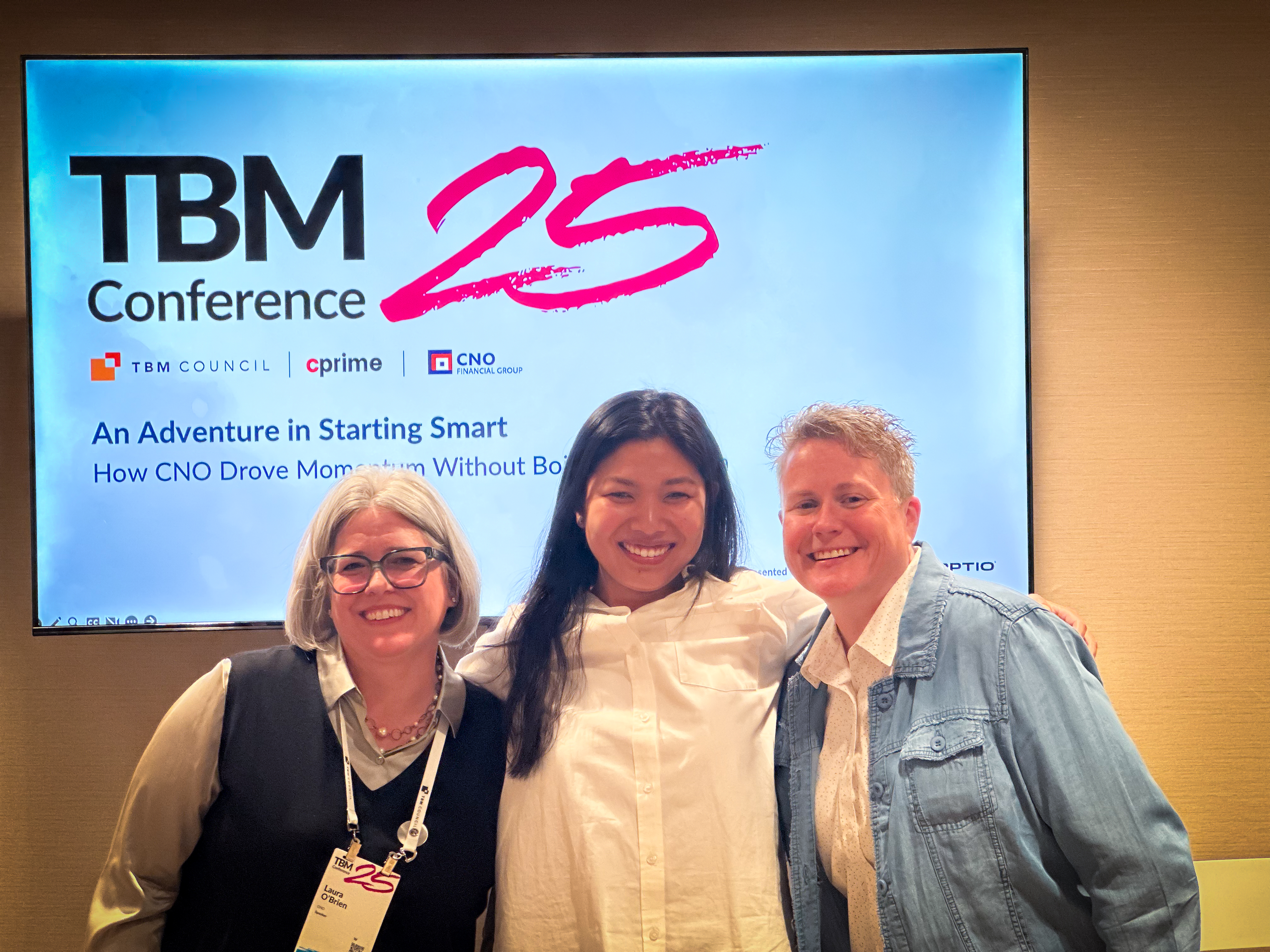
An Adventure in Starting Smart: How CNO Drove Momentum Without Boiling the Ocean 

The story of how CNO built a connected operating model using Apptio Targetprocess and existing tools like Jira, starting with just 30 licenses and no mandate. 

Speakers: Laura O’Brien (CNO), Lindy Quick (CNO), and Oona Ziegler

Session recaps:

Action and Architecture: Southwest Airlines Connects Finance, Capabilities and Demand for App TCO 

See how Southwest Airlines uses Apptio ADM, Datalink, and Targetprocess—integrated with LeanIX—to connect IT, business capabilities, applications, and demand. 

Speakers: Mohammad Attiah and Murat Oran

Session recaps:

Down the SPM Rabbit Hole: Vision + Strategy + Delivery = $ucce$$

Learn how Apptio Targetprocess can automate calculation of labor capitalization based on work item categorization and capacity allocation. 

Speaker: Maxim Danilevsky

Cprime Conversations Podcast

Your operating model isn’t broken… it’s disconnected.

Learn why well-intentioned transformation initiatives keep falling short, and discover the proven framework that leading companies are using to navigate disruption, optimize costs, and unlock sustainable growth. 


Continue the conversation

If you’re assessing how TBM, financial governance, and operating model modernization can accelerate impact across your enterprise, schedule a working session with our experts.
We’ll explore where value flow slows down inside your organization and identify the highest-leverage opportunities to improve outcomes.


Related resources

Maximizing Value with Technology Business Management: A Strategic Guide

Financial Intelligence in Motion: Where TBM Meets FinOps in AI-Native Enterprises

Future-Proofing the Enterprise Operating Model through Enterprise Architecture Management (EAM)

Realigning Finance to New Ways of Working: A Construction Industry Deep Dive

In an industry racing to catch up with digital transformation, many construction firms are still burdened by legacy systems, disconnected workflows, and ballooning cloud costs. In this 30-minute fireside-style webinar, construction industry advisor Joshua Pierce sits down with Cprime experts Max Danilevsky and Lisa Lyman to unpack how forward-thinking construction companies are using modern ways of working and new “systems of insight” to turn IT from a cost center into a strategic growth engine.

Whether you’re a CIO, CFO, or operations leader, this candid conversation explores:

  • Why most digital transformation efforts stall in “pilot mode”—and how to break the cycle
  • How TBM frameworks bring IT, finance, and operations into strategic alignment
  • Practical FinOps applications to rein in cloud spending and fund innovation
  • How to win buy-in across skeptical, change-resistant teams

Don’t miss this actionable conversation designed specifically for construction leaders ready to modernize their financial and technology operating models.

Panelists:
Max Danilevsky
Managing Director
Cprime
Lisa Lyman
Business Transformation Consultant
Cprime
Joshua Pierce
Senior Industry Advisor
Cprime

Cloud Currency: Using FinOps to Fund Innovation

In a world where AI demand is accelerating cloud adoption at breakneck speed, cloud spend is a strategic asset. Enterprises that treat it as fuel for growth—not just a budget line—gain the flexibility to move faster, fund innovation, and stay ahead. But most enterprises are leaking value. Up to 32% of cloud spend is wasted due to inefficiencies, misalignment, and a lack of visibility.

This webinar reframes cloud financial management as a strategic lever for innovation. Join FinOps expert Lisa Lyman as she reveals how leading organizations are funding transformation without asking for more budget—by finding the money in their own pockets.

You’ll learn how to convert cloud costs into Cloud Currency: an internal asset that can be optimized, reinvested, and used to accelerate innovation across the business.

Key takeaways:

  • Unlock trapped value. Identify where cloud waste hides—and how to redirect it toward high-impact initiatives.
  • Orchestrate accountability. Empower teams with real-time visibility, clear tagging, and self-service analytics to drive smarter decisions.
  • Build agility into governance. Balance financial control with the speed and flexibility business units need to innovate.
  • Move beyond easy wins. Explore advanced savings strategies and real-world success stories that show what’s possible when FinOps is fully operationalized.

Whether you’re new to FinOps or evolving a mature practice, this session offers a practical path to fund what’s next—without slowing momentum or compromising ambition.

Download this webinar and discover how to turn your cloud investments into competitive advantage.

Speakers:

Lisa Lyman
Business Transformation Consultant
Cprime

INRY and Aon: Driving Market Leadership with ServiceNow Enterprise Architecture for Informed Investment

Market Leadership Through Informed Investment

The Mission

As a $12B insurance and risk management juggernaut, countless opportunities exist for investing – whether in real estate, information technology, acquisitions, or virtually any other area in which efficiencies, capacity or top-line revenue can be impacted.

For Aon’s leadership, the problem has never been a lack of investment opportunities but instead a consistent methodology for capturing, evaluating, and (if approved) monitoring them. Investment processes were often siloed in the parts of the organization from which they emerged – Legal, Finance, Facilities, IT, Human Resources, or Product teams.

Understanding which investments can have the biggest impact is a complex challenge in such an environment. A siloed approach also complicates the possibility of a cross-functional investment strategy in which multiple functions can invest in a coordinated fashion. In a worst-case scenario, some parts of the organization may even invest in ways that undermine the investments made elsewhere.

As the firm sought options to bring a more informed, agile approach to its investment and portfolio management strategy, it turned to INRY to leverage the Power of the Platform to enable the data capture critical as part of the first step of the overall process.

The Approach

The firm has long leveraged INRY as an engine for innovation, employing it for a wide range of global business services as well as IT and colleague experiences. As the organization sought an enterprise-scale solution to build an investment evaluation and oversight engine, the Application Portfolio Management (APM) built by INRY on a leading platform was an obvious choice. APM had been used to track the firm’s application investments’ performance, so its potential was well understood.

APM also provided core capabilities essential to modelling complex investment requests, including the concepts of the Business Service Portfolio, Taxonomy Layer (and Nodes), Business Service, Business Service Offering, and “Sell / Consume” services delivery and monitoring model relevant to this type of request.

With the underlying APM foundation already in place, the firm leverages INRY to build an application “hub” at the heart of its Portfolio Investment Reporting (PIR) system to address these opportunities.

  • Organization Transition Planning: As the merger or acquisition transaction goes from the evaluation stage to the implementation stage, choreographing the movement of teams and leadership requires complex approval and sequencing. The Organization Design and Talent (OD&T) functions of the M&A Portal provide key functions like:
    • Iterating on the structure of the to-be organization
    • Defining leadership roles and responsibilities for the combined org
    • Determining HR systems of record be leveraged
  • Data Request: Providing a means to facilitate the request of documentation or data needed to advance the merger or acquisition transaction and to notify stakeholders when this request has become delinquent
  • Meeting Request: Allowing actors in the transaction to request meetings to discuss any aspects of the deal through the M&A Portal, where these requests can be fully documented via an audit trail. By providing a hub for all interactions related to the merger or acquisition, the M&A Portal increases the transaction’s transparency compliance and level of
  • Access Request: Creating an access control and permissions model to ensure that all the actors in the process are given only the level of information access appropriate to their area of responsibility is critical to the integrity of the M&A process. As part of this, Access Request features made it possible to delegate new permissions as needed through a well-governed and traceable process
  • Process Simplification and Ergonomics: To make this aspect of the solution usable and ergonomic, special attention was given to making the information captured within the M&A Portal more sable. For example, colour-coding was employed to differentiate players within each organization – with the firm participants contributing “red data” and target company participants contributing “purple data.” Seemingly minor features like this made a big difference in making the large volume of collected information more easily digestible by transaction participants
  • Process Guidance and Enforcement: Delivering guided interactions to help ensure that participants in the M&A transaction clearly understand where they are in the process, which steps come next, and if they are delinquent in fulfilling any of their review or approval responsibilities

As the firm looked to fulfill these and other critical technology and functional requirements, the platform recommended by INRY proved to be an ideal choice thanks to built-in security, process traceability, accessibility, and ergonomics. Likewise, INRY surfaced as an ideal partner for this engagement thanks to their deep knowledge of the INRY platform and the firm’s business. The firm and INRY worked to deploy the first iterations of the M&A Portal in a matter of weeks, then refined it incrementally afterward to support more complex functional and technical requirements.

The Result

Implementing a transformational set of portfolio management capabilities like those described is something other than something that can be implemented at the flick of a switch. However, by defining a clear long-term roadmap that emphasized incremental progress and quick time to value, the combined firm and INRY team showed substantial value in just 6 months – with the system going live in November and reports with approval and forecast data going live in May.

By providing a system of interaction for the capture, review/approval, and tracking of investments across all enterprise functions, the firm has achieved significant benefits that enhance its competitive position in an everchanging market, including:

  • Enterprise-wide insight into investment opportunities allows firm leaders to make informed decisions about those investments with the greatest return
  • Deep insight into portfolio performance to ensure that investments meet or exceed identified targets and to understand the cause of any underperformance
  • Improved business resilience thanks to a system that allows revenue protection, risk mitigation, efficiency, automation, and growth opportunities to be surfaced, evaluated, and implemented timely

By accessing these benefits through a single environment where all stakeholders can interact to evaluate and monitor large-scale investments, Aon has transformed its business in critical ways that strengthen its competitive position and drive value for customers, colleagues, and shareholders. This powerful solution proves the possibilities that innovative technology can deliver when combined with expert delivery and configuration services provided by INRY.

Transformation Whiplash: Realigning Your Finance Organization to The New Ways of Working

Senior Business and IT stakeholders involved in digital transformation, agile adoption, and transitioning from project to product business architecture often face challenges aligning project-based funding models with product-driven initiatives, hindering scalability and adoption.

Explore the strategy and process, supported by IBM Apptio products, to align enterprise finance with a product-centric business architecture. By engaging Finance, Business, and IT stakeholders in a dialogue around product-based business architecture and fixed capacity allocation, finance can shift into a transformative role while maintaining necessary controls and compliance.


Speakers:

Konstantin Popov
VP, Strategic Portfolio
Cprime
Lisa Lyman
Business Transformation Consultant
Cprime

Accelerating financial performance

Aligning enterprise strategy, technology and execution for CFO success

Join us for an insightful webinar designed exclusively for CFOs and high-level finance executives, where Cprime’s Konstantin Popov will delve into the critical intersection of enterprise strategy, technology, and execution.

This session will provide you with actionable insights to address pressing financial challenges, optimize costs, increase revenue, manage risks, and ensure compliance in today’s complex business environment. Learn how to align your operations with cutting-edge tools and integrated platforms to achieve key organizational objectives, including strategic resource allocation and sustainable growth.

You will gain practical strategies to improve financial planning and analysis, optimize working capital, enhance profitability, and drive sustainable growth. You will also hear real-world examples of how leading CFOs have successfully navigated complex challenges, secured their company’s financial health, and driven shareholder value.

Whether you are navigating regulatory pressures, market volatility, digital transformation, or the need for agile financial planning, this webinar will equip you with the knowledge and strategies to enhance your financial leadership and drive bottom-line results.

Don’t miss this opportunity to transform your financial strategy and execution.

Key takeaways:

  • TCO Optimization and Expense Management:
    • Discover best practices for optimizing capital allocation, controlling costs, and maximizing return on investment.
    • Learn how to manage variable infrastructure costs and transition to fixed capacity funding to maintain financial stability.
  • Revenue Enhancement:
    • Explore strategies to ensure investments are driving revenue growth and increasing EBITDA.
    • Understand how to implement P&L management at the product/service level to make informed investment decisions.
  • Risk Management and Compliance:
    • Gain insights into enhancing risk management and ensuring regulatory compliance to safeguard your organization.
    • Learn about governance and control mechanisms to maintain financial integrity.
  • Advanced Analytics and Automation:
    • Leverage advanced analytics, AI, and process automation to streamline operations, reduce total cost of ownership (TCO), and boost profitability.
    • Implement performance metrics and reporting tools that provide actionable insights for better decision-making.
  • Funding Innovation and Digital Transformation:
    • Identify effective ways to fund innovation while maintaining financial stability and driving sustainable growth.
    • Successfully guide the financial aspects of digital transformation initiatives to enhance operational efficiency and profitability.
  • Workforce and Labor Financial Management:
    • Develop strategies to manage workforce costs and productivity while attracting and retaining top talent.
    • Understand labor financial management to optimize workforce expenses and improve overall financial performance.
  • Growth Strategies:
    • Learn the keys to developing successful financial strategies for growth through mergers and acquisitions.
    • Explore horizons planning to fund digital technologies and innovation.
Konstantin Popov
Vice President, Enterprise Portfolio & Financial Management

Fueling the Future: How Chevron Boosted Efficiency, ROI, and Financial Alignment Using Strategic Portfolio Management

As a titan in the energy industry, Chevron found itself at a crossroads. The company was grappling with siloed operations across numerous business units and geographies, difficulty aligning IT initiatives with business strategy, and inefficient resource allocation and financial tracking. Additionally, Chevron faced challenges in adapting to market volatility and regulatory changes while balancing current operations with investments in future energy solutions.

The vast, complex organization spread across continents was hindered by legacy systems that weren’t equipped to handle the agility and strategic alignment needed in today’s fast-paced energy landscape. It became clear that a comprehensive transformation was necessary to maintain Chevron’s competitive edge and prepare for future challenges.

Crafting a Comprehensive Solution Beyond Just Implementation

Cprime’s engagement with Chevron went far beyond a simple software rollout. The solution was multifaceted, addressing Chevron’s complex needs through a series of strategic initiatives. 

Strategic Portfolio Management (SPM) supported by Lean Portfolio Management (LPM)

At the core of the transformation was the implementation of Strategic Portfolio Management practices. This involved configuring systems to map initiatives directly to strategic objectives, supporting Chevron’s drive for clarity and focus. Complementing this was the integration of Lean Portfolio Management practices within their established Scaled Agile Framework® (SAFe®), which streamlined decision-making and improved resource allocation across Chevron’s expansive portfolio.

Implementing and optimizing Apptio Targetprocess

A crucial component of the solution was the implementation and optimization of Apptio Targetprocess. Cprime tailored Apptio’s tooling to Chevron’s unique needs, enabling real-time financial tracking and strategic planning. This provided unprecedented visibility into Chevron’s massive portfolio, allowing for more informed and agile decision-making.

The transformation also included a comprehensive value stream mapping exercise. This helped Chevron identify and optimize 13 key platforms, each aligning IT and business functions to specific value streams. This alignment was critical in breaking down silos and improving collaboration across the organization.

Agile transformation

To ensure the success of these new practices and tools, Cprime supported the implementation of agile practices across the organization, with a focus on business outcomes rather than just IT delivery. This was accompanied by extensive coaching and training to ensure adoption and a cultural shift across 13 integrated platforms spanning continents, and based around 25 value streams. In total, 6,600 individuals in 50 teams-of-teams were directly impacted. 

The Ripple Effect: Transforming More Than Just IT

The impact of this transformation extended far beyond improved software systems. Chevron experienced a fundamental shift in how they approached strategic planning and execution.

Greater strategic alignment and resulting ROI

The new system dramatically enhanced strategic alignment, giving Chevron the ability to directly connect individual initiatives to overarching strategic goals. This ensured that every project contributed to the company’s vision, eliminating waste and improving overall efficiency.

Enhanced adaptability

The new system allowed Chevron to adapt more quickly to market changes, regulatory shifts, and emerging opportunities in the energy sector. This agility is crucial in an industry known for its volatility and rapid technological advancements.

Real-time, data-driven insights

Data-driven decision making became a reality across the organization. Leadership now has access to real-time data and insights, enabling more informed and timely strategic decisions. This has proven invaluable in navigating the complex landscape of the energy sector.

“Our Agile transformation has revolutionized how we manage our vast portfolio. We’ve improved alignment across our digital platforms, enhanced our decision-making process, and significantly increased our ability to adapt to market changes. This strategic approach is driving innovation and efficiency across Chevron’s operations.”

— Jiddu Ledezma, Head of Program Management, Chevron

Optimal resource allocation

Resource allocation also saw significant improvements. Chevron can now dynamically adjust resource allocation across its global operations, optimizing for both current needs and future investments. This flexibility is crucial for balancing the demands of current operations with the need to invest in future energy solutions.

Streamlined, efficient operations

Perhaps most importantly, the transformation led to streamlined operations across the board. The reduction of silos and improved collaboration between IT and business units has created a more cohesive and efficient organization, better equipped to face the challenges of the energy sector.

Looking Ahead to Continuous Improvement in a Changing World

While the transformation has been significant, Chevron’s journey is ongoing. The company is now positioned to further refine its SPM practices and expand the use of data-driven decision-making across all levels of the organization. 

Chevron is also better equipped to continue balancing current operations with investments in alternative energy sources, a crucial consideration in today’s energy landscape. The improved agility and strategic alignment allow the company to adapt more readily to regulatory changes and environmental concerns, positioning Chevron as a forward-thinking leader in the industry.

Cprime remains a trusted partner in this journey, ready to support Chevron’s evolving needs. The long-term nature of this engagement (over six years and counting!) has allowed for deep understanding and continuous refinement of the solutions.

The Bigger Picture: Lessons for the Energy Sector

Chevron’s journey offers valuable insights for other organizations in the energy sector and beyond. It demonstrates that strategic alignment is crucial in navigating complex market conditions, and that even massive, global organizations can become more agile and aligned with the right approach and tools.

The transformation underscores the non-negotiable nature of data-driven decision making in today’s volatile markets. Having real-time insights is critical for making informed strategic decisions, especially in an industry as dynamic as energy.

Finally, Chevron’s multi-year engagement with Cprime underscores the value of having a consistent, knowledgeable partner through major transformations. This long-term partnership approach allows for deep understanding, continuous refinement, and sustained success.

Would you like to see similar results for your organization? Explore our flexible Enterprise Technology and Financial Management solutions.

Digital Dollars: How Ahold Delhaize USA Rewrote Its Financial Playbook

The Tipping Point: When Excel Just Doesn’t Cut It Anymore

Ahold Delhaize USA found itself at a crossroads. As the digital innovation hub for one of America’s largest grocery retail groups, they were pushing the boundaries of Agile practices. However, their financial management was stuck in the past, relying heavily on manual processes, siloed data, and the ubiquitous spreadsheet.


“We had absolutely no system in place to support the transition,” recalls an Ahold Delhaize USA team member. The pain points were clear:

  1. A disconnect between agile execution and financial tracking
  2. Time-consuming manual updates across multiple platforms
  3. Lack of real-time visibility into resource allocation and utilization
  4. Difficulty in demonstrating value to their more traditional parent company


Moreover, the company was determined to move away from time writing, a practice they found subjective and often inaccurate. They needed a solution that could bridge the gap between their Agile aspirations and financial realities.

Crafting a Custom Solution: More Than Just Software Implementation

Cprime consultants were brought in to craft a tailored approach to Ahold Delhaize USA’s unique challenges. The solution centered around implementing Apptio Targetprocess, but it went far beyond simple software deployment. Here’s how they tackled Ahold Delhaize USA’s complex needs:

  1. Value Stream Alignment: Configured the system to allocate work directly to value streams, supporting the org’s lean budgeting structure.
  2. Automated Cost Modeling: Developed a system that ingests Jira work items and allocates costs based on team assignments, running parallel to existing time tracking for a smooth transition.
  3. CapEx and OpEx Automation: Implemented role-based automation for capital and operational expenditure splits, dramatically reducing manual management.
  4. Two-Way Integration: Created seamless data flow between Jira and Targetprocess, supporting quarterly planning and standardizing estimation practices.
  5. Custom Financial Reporting: Built custom reporting capabilities within Targetprocess to meet the client’s specific needs.
  6. Capacity and Demand Management: Developed features to analyze and forecast at both team and value stream levels.

“We hit many key pain points across planning, capacity and demand for resource management, estimating and managing budgeting from a portfolio perspective, supporting their transition to lean budgeting, and then giving them a no-pressure way to potentially adopt an automated cost model,” explains Mohammed Attieh, a Cprime consultant and Senior Apptio Solutions Architect on the project.

The Ripple Effect: Transforming More Than Just Finances

The impact of this transformation extended far beyond streamlined spreadsheets. Ahold Delhaize USA experienced a seismic shift in how they approached financial management and decision-making:

  1. Unprecedented Portfolio Visibility: Ahold Delhaize gained real-time insights into their entire $160 million portfolio, thanks to an automated system that updates every 15 minutes.
  2. Stronger Organizational Influence: The company enhanced its ability to demonstrate the value of agile practices to its parent company, potentially shaping larger organizational strategies, through comprehensive reporting and measurable outcomes.
  3. Enhanced Cross-Team Collaboration: Program managers at Ahold Delhaize now enjoy improved collaboration and alignment, leveraging new tools that facilitate priority setting and budget sharing across value streams.
  4. Data-Driven Strategic Decision-Making: The company now makes more informed strategic decisions, powered by improved roll-up reporting that connects team execution directly to portfolio-level insights.
  5. Agile Resource Allocation: Ahold Delhaize achieved remarkable flexibility in resource management, with the ability to make allocation changes throughout the year and see immediate portfolio-wide updates, thanks to the integrated, responsive system.

“They’re in love with the fact that they can make allocation changes throughout the year,” notes Mohammed. “Within fifteen minutes, the entire system recalculates… So tremendous reporting synergy.”

“Since implementing Targetprocess and the accompanying automation, we’re seeing vast improvements across the org in terms of time savings, greater visibility into the data, and a more strategic, data-driven approach to decision-making.” — Grant Williams, Senior Finance Director TBM

Looking Ahead: The Road to Continuous Improvement

While the transformation has been significant, Ahold Delhaize USA isn’t resting on its laurels. The organization is now poised to:

  • Potentially deprecate time writing in favor of their new automated cost model
  • Expand the use of the new system across more stakeholder groups
  • Further mature their cost model for even more accurate financial tracking
  • Standardize the use of story points across the enterprise for improved estimation

And, of course, Cprime experts will be there to guide and assist.

The Bigger Picture: Lessons for the Industry

Ahold Delhaize USA’s journey offers valuable insights for other organizations grappling with similar challenges:

  • Alignment is Key: Ensuring that financial practices support rather than hinder Agile methodologies is crucial for digital innovation.
  • Automation Drives Accuracy: Reducing manual processes not only saves time but also improves the accuracy and reliability of financial data.
  • Visibility Enables Agility: Real-time insights into financials and resource allocation allow for more responsive and data-driven decision-making.
  • Change Management Matters: Successfully implementing new systems requires careful attention to cultural shifts and user adoption.

As the digital retail landscape continues to evolve, Ahold Delhaize USA’s story can guide organizations looking to harmonize their financial management with Agile principles. It’s a testament to the power of innovative thinking, tailored solutions, and the willingness to embrace change.

Would you like to see similar results for your organization? Explore our flexible Enterprise Technology and Financial Management solutions.