Resource Topic: AI-Ready Foundations

Private Health Management: elevating patient experience with intelligent healthcare workflows 

Client background 

Private Health Management (PHM) delivers highly personalized guidance to patients navigating complex healthcare needs. With 169 employees supporting care teams, administrators, medical records specialists, and patients, PHM manages a high volume of sensitive information. The organization wanted a coordinated, seamless way to manage intake, documentation, clinical summaries, provider vetting, and patient communications across a distributed care environment. 

The turning point 

PHM depended on disconnected systems and manual workflows that slowed onboarding and increased administrative strain. Intake forms, clinical history, medical records tasks, and referral processes lived in separate places, complicating coordination and reducing visibility. These gaps strained operations, introduced compliance risk, and weakened the overall patient experience. 

PHM sought a partner with deep healthcare workflow expertise, advanced ServiceNow capabilities, and a proven record of enabling coordinated care models. INRY delivered a decade of healthcare transformation experience supported by Elite Partner certifications, award-winning workflow design, and extensive experience modernizing HR, IT, patient services, and patient onboarding for major U.S. health networks. 

The transformation strategy 

PHM advanced from fragmented workflows to a connected, scalable system built for precision and momentum. The strategy aligned CloudCover—INRY’s managed services solution—platform enhancements, and healthcare‑specific workflow design to create a unified patient journey that supports faster decisions and higher‑quality care. 

CloudCover managed services foundation 

CloudCover established the structure PHM needed to stabilize, enhance, and expand its platform. Four complementary workstreams—Ask INRY, Platform Operations, Platform Enhancements, and Platform Reliability Engineering—provided responsive support, consistent governance, and strategic improvements aligned to PHM’s long-term goals. 

Unified patient lifecycle management 

A centralized case management model now consolidates patient data, tasks, and documentation in one connected workspace. Care teams access each patient’s complete journey instantly, supporting rapid collaboration and confident decision-making. 

Streamlined intake and documentation 

Digitized pre-registration, clinical history, insurance, and consent forms reduced manual effort and strengthened early data integrity. Teams assist with form completion or reopen submissions when clarification is required. Automated clinical summary generation converts real-time patient information into structured PDFs that support consultations, referrals, and ongoing care. 

Modernized medical records workflows 

Medical records tasks were restructured into three clear categories—collection, transfer, and processing—to improve clarity and throughput. Automated form generation and pre-population accelerated documentation while supporting accuracy and regulatory readiness. 

Provider vetting, scheduling, and communication 

Structured workflows now guide provider identification and credential verification. Appointment scheduling integrates directly with Zoom, simplifying booking for patients and staff. Automated email handling categorizes communication at patient and case levels, while distribution group automation standardizes outreach and reduces manual work. 

Enhanced data integrity and seamless navigation 

Standardized capture of medications, allergies, health history, and demographic details supports compliance and clinical decision-making. An intuitive navigation model enables care teams to move fluidly across patient information without switching between systems. 

Integrated systems and legacy data transformation 

Legacy records for accounts, contracts, entitlements, consumers, patients, and providers were converted into structured ServiceNow data. A HubSpot integration now creates accounts and contracts automatically at deal closure, streamlining handoffs and reinforcing operational continuity. 

How collaboration powered the transformation 

INRY partnered closely with PHM leadership, care teams, and operational stakeholders to understand needs and shape workflows aligned to PHM’s model of care. Discovery sessions clarified priorities and guided a roadmap that balanced quick wins with scalable foundations. Collaboration with Zoom and HubSpot teams ensured seamless integration across systems. 

Success grew from PHM’s active engagement, the automation-focused design approach, and the flexibility of the underlying ServiceNow architecture supporting future expansion. 

The outcomes that reshaped care delivery 

PHM now operates with faster, more structured intake and documentation processes, elevated provider efficiency, and clear visibility across cases and tasks. SLA-driven workflows support timely completion and strengthen referral accuracy. 

Teams collaborate with greater ease and experience a reduced administrative load. Patients benefit from a coordinated, responsive service model supported by unified records and consistent communication. The platform strengthens PHM’s compliance posture through audit-ready documentation and structured data collection. 

PHMCare Workspace and the Patient Service Portal position PHM for continued innovation, including emerging AI-enabled workflows that will accelerate decision-making, elevate care experiences, and support long-term organizational growth. 


If you’d like to see similar results for your healthcare organization, explore our flexible ServiceNow solutions for the healthcare industry. 
Aon accelerates AI strategy and builds a 40-use-case roadmap in two days 

A fragmented AI vision gains direction 

Aon’s leaders wanted a unified strategy to guide AI investment. More than 50 potential use cases existed across Technology, Employee, and Customer Experience domains. Teams needed a clear framework to determine which workflows were ready for AI, how to evaluate out-of-the-box capabilities against custom builds, and how to create alignment across functions. 

A two-day accelerator for clarity and alignment 

The two-day workshop convened more than 55 participants from across the enterprise. Facilitators guided cross-functional sessions built around structured evaluation, rapid prioritization, and ServiceNow-specific feasibility analysis. 

Day 1: Chart opportunity and surface AI-ready workflows 

Participants explored AI trends, assessed platform capabilities, and mapped pain points across major experience domains. Teams identified processes that could benefit from intelligence embedded directly into ServiceNow workflows. 

Day 2: Shape an execution-ready AI roadmap 

Each idea went through value and feasibility scoring. Facilitators helped teams determine the best approach for each use case and shaped a roadmap that balanced quick wins with longer-horizon, strategic opportunities. 

A prioritized enterprise AI roadmap in 48 hours 

Aon gained a clear, actionable strategy within 48 hours. 

  • 40+ AI use cases documented and prioritized 
  • A roadmap aligned across Technology, Employee, and Customer Experience 
  • Executive consensus on AI investment direction 
  • Defined quick-win pilots ready for immediate testing 
  • Clarity on out-of-the-box vs. custom build decisions 

This structure accelerated momentum and equipped Aon with a repeatable way to scale AI adoption across the enterprise. 

Enterprise momentum amplified 

Aon compressed months of internal debate into a focused, collaborative process. Leaders walked away with a roadmap grounded in business value, technical feasibility, and cross-functional alignment. This foundation now guides ongoing AI initiatives and positions Aon to advance intelligent workflows on the ServiceNow platform with confidence. 

A roadmap that accelerates intelligent operations 

Aon’s experience demonstrates how the AI Strategy & Transformation Workshop drives rapid clarity, alignment, and measurable progress. With a structured approach, enterprises gain the momentum needed to rewire workflows, scale intelligence, and accelerate the shift toward AI-ready operations. 

Ready to build your AI roadmap? 

The AI Strategy & Transformation Workshop gives your teams the structure, momentum, and clarity to accelerate enterprise-scale AI adoption. Connect with us to schedule your session and move your AI strategy into action. 

TBM Conference 2025: Strategy, spend, and execution, rewired for impact 

Miami, Florida | November 10–12, 2025 

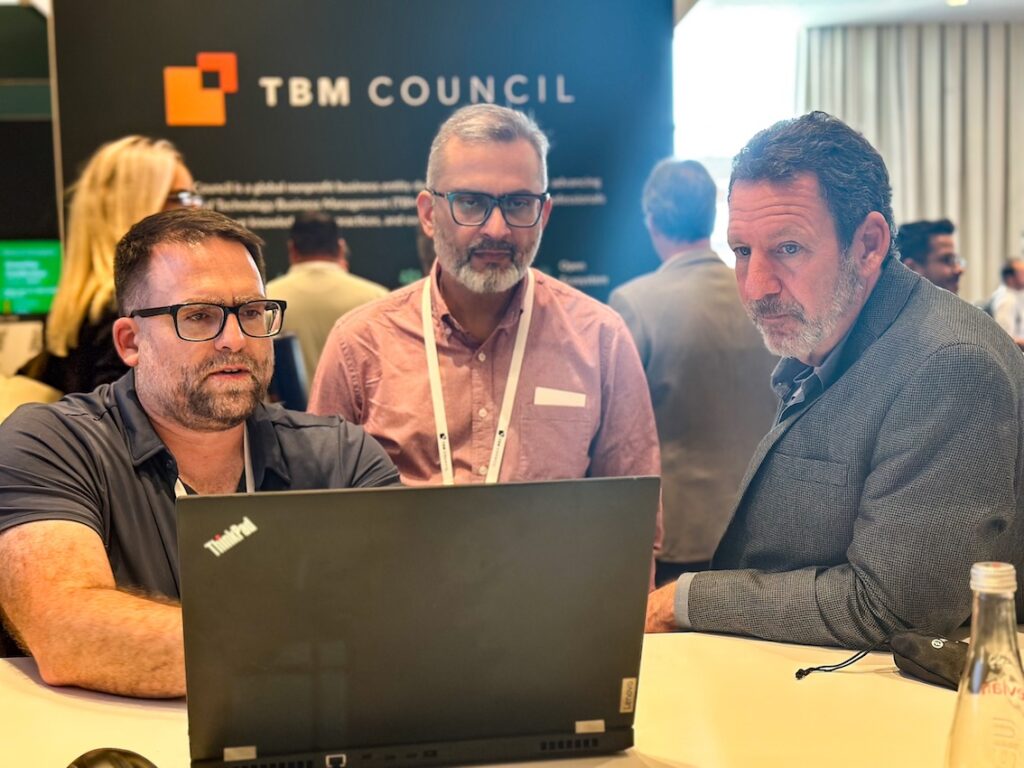
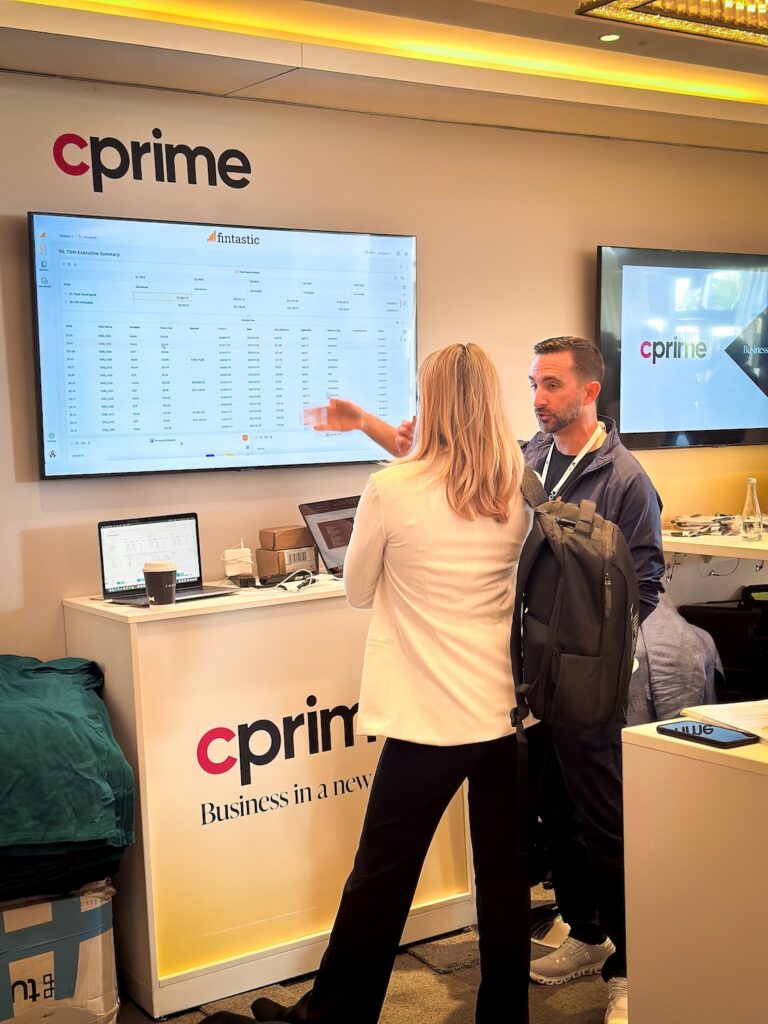
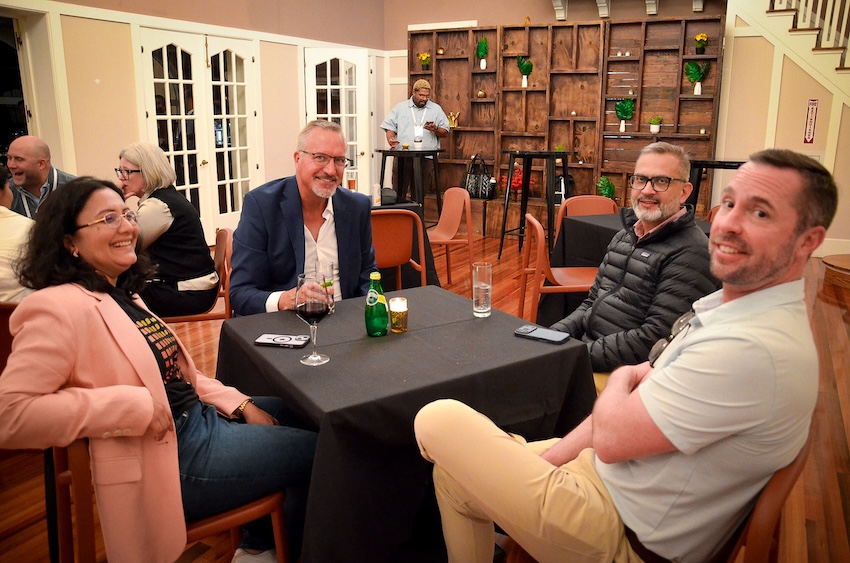
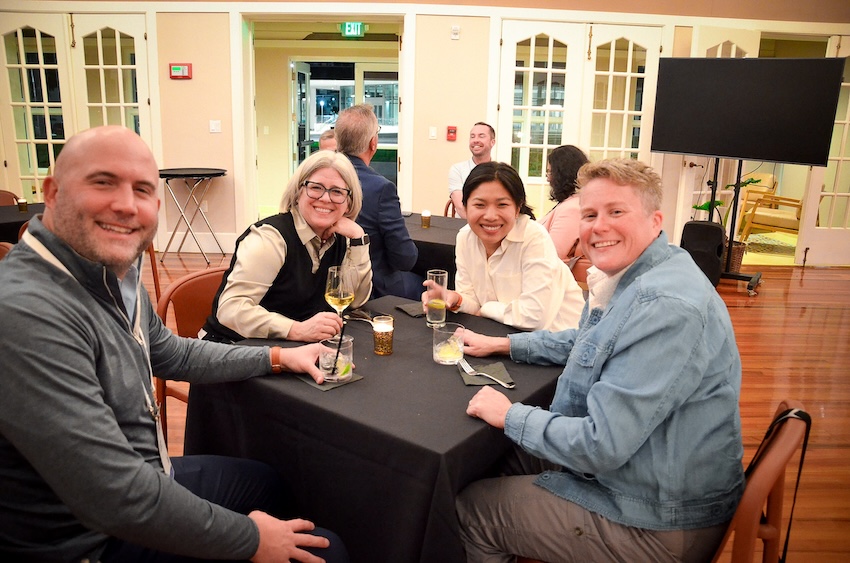
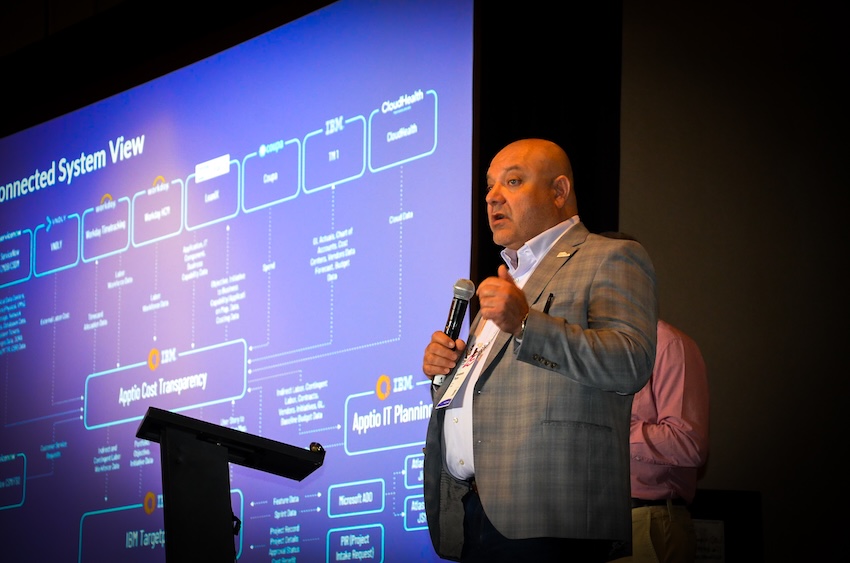
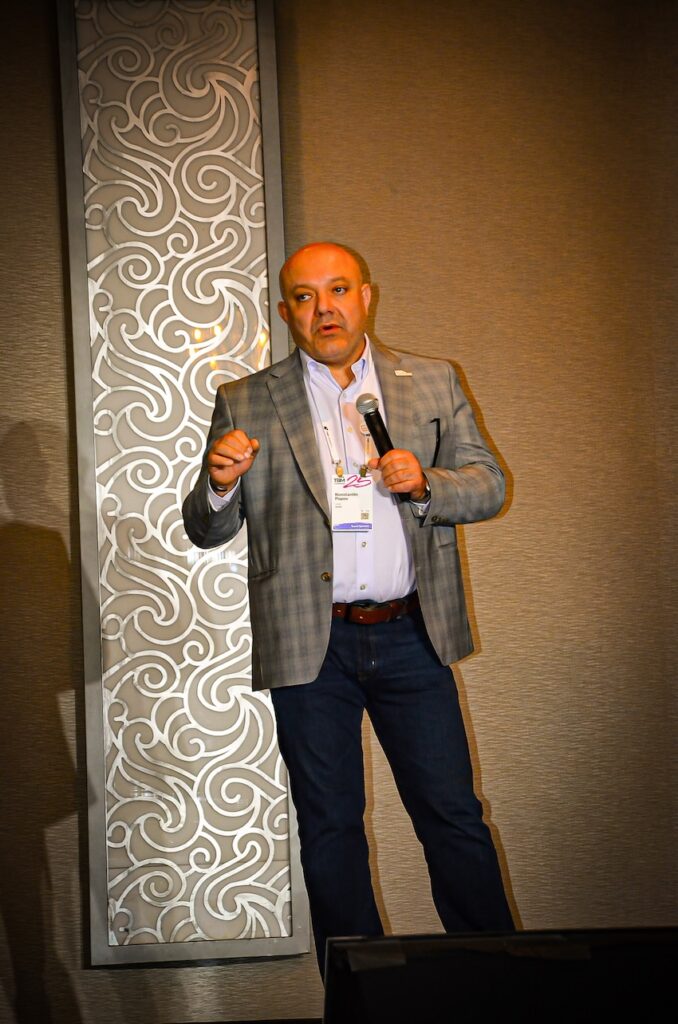
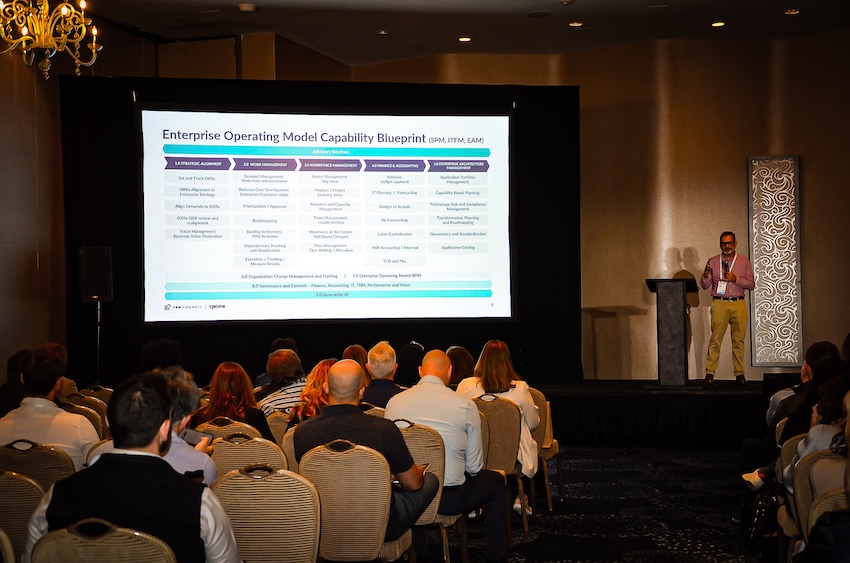
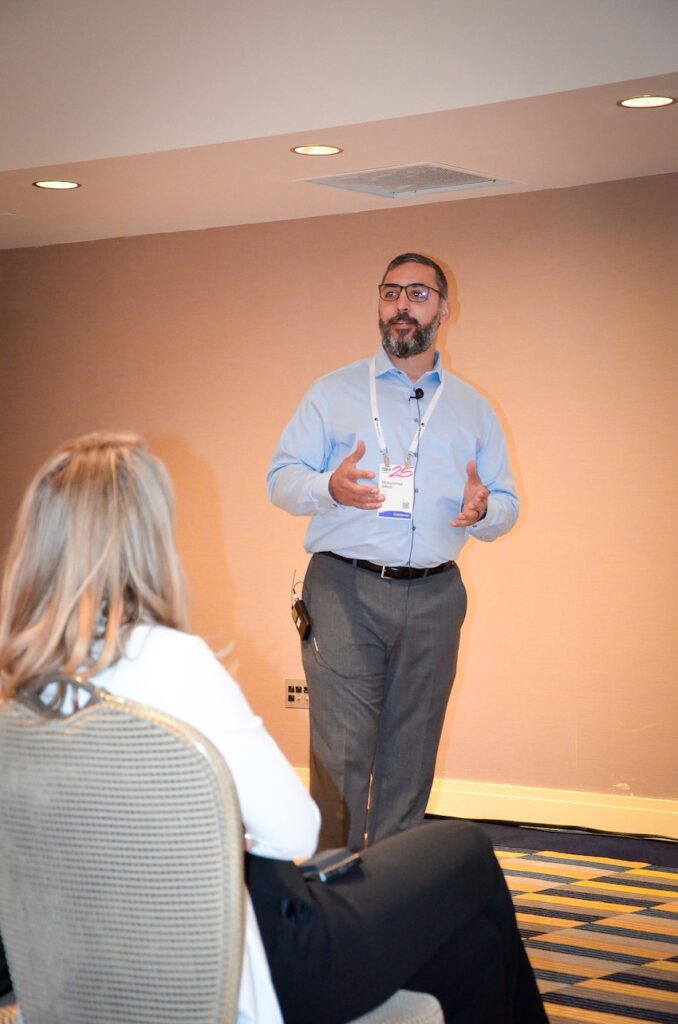
The 2025 TBM Conference brought together leaders who are reshaping how enterprises manage technology, optimize investment decisions, and accelerate value. Over three days, we engaged in deep conversations about connecting strategy, spend, and execution into a single system that drives measurable business outcomes.

Our team hosted sessions across TBM, cost optimization, AI-driven decisioning, and modern operating models. We explored how CIOs, CFOs, and transformation leaders are aligning financial governance, portfolio management, and architecture to move beyond incremental improvements and build connected, high-velocity enterprises.


What we explored at TBMC 2025 

The evolution of TBM inside a modern operating model — Sessions focused on how TBM now anchors the economic intelligence layer of the Enterprise Operating Model, enabling real-time visibility, smarter trade-offs, and funding that adapts as priorities shift. 

AI’s role in accelerating financial and operational performance — Leaders discussed how AI enhances forecasting, strengthens investment decisions, and reduces the lag between planning and execution. The message was clear: AI-powered financial operations set the pace for enterprise agility.
Closing the orchestration gaps that stall transformation — Breakout discussions highlighted the friction points that slow value flow—siloed portfolios, outdated funding cycles, architectural constraints—and how connected TBM practices help enterprises scale impact faster.

Real stories from enterprise practitioners — Our sessions covered practical examples of how organizations modernized financial governance, improved cross-functional alignment, and strengthened ROI visibility while advancing their operating model maturity.


From Listening to Leading: Our Journey to TBMC 2025

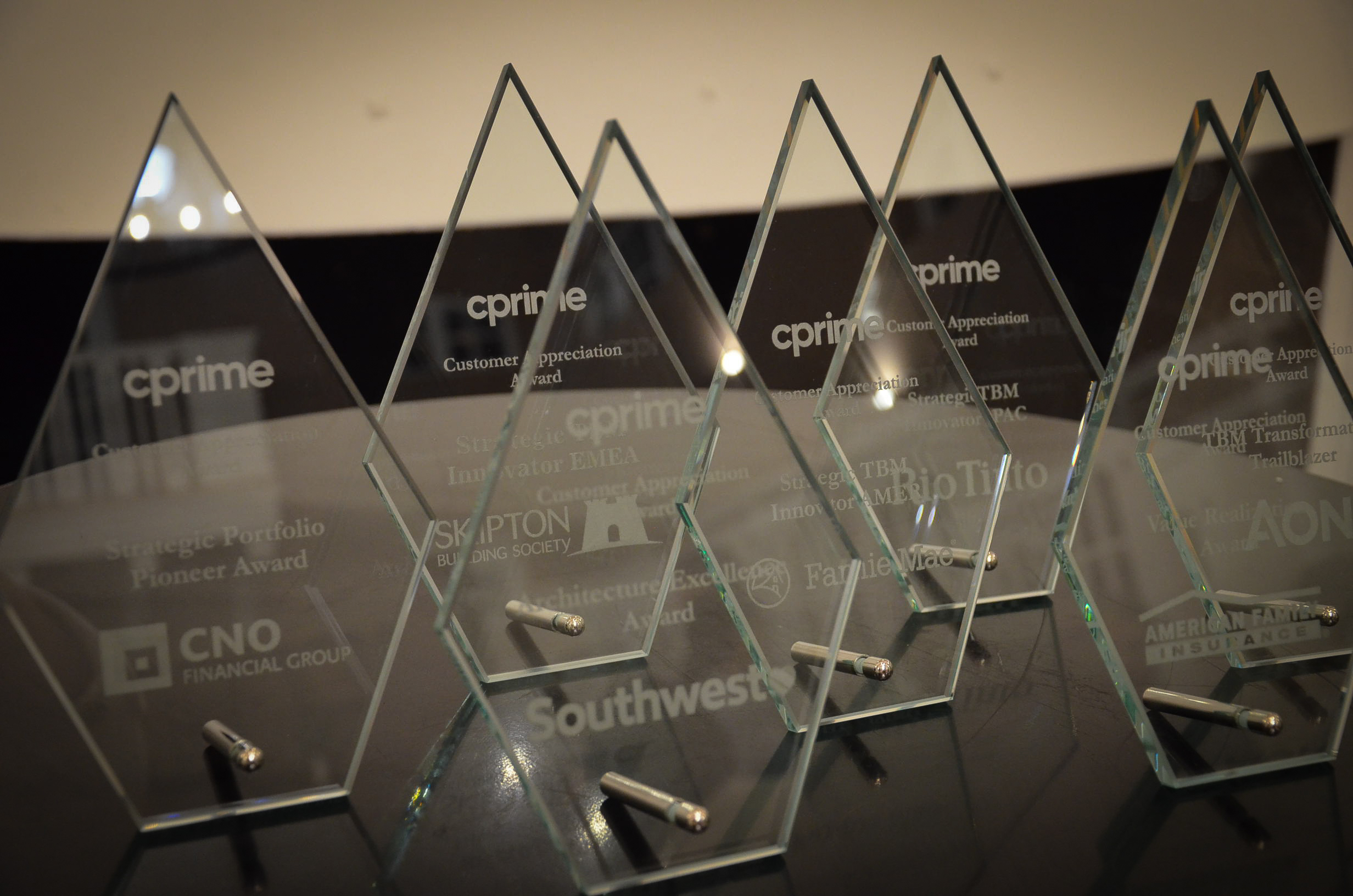
Discover how Cprime is shaping the future of enterprise operating models at TBMC 2025 with clients CNO Financial.


Featured insights and session materials

Explore related resources from TBMC 2025, including expert commentary, session highlights, and analysis on the future of TBM and operating models.

Session recaps:

Amplifying Enterprise Orchestration with TBM-Enabled Operating Models 

Learn how leading enterprises link strategy to execution through modern operating models, from product-led design to enterprise finance. Using TBM, organizations move beyond structure to systematically measure, govern, and optimize value flow in real time. 

Speaker: Konstantin Popov

Session recaps:

Next-Gen Enterprise Operations: AI, Platform Integration, and Predictive Intelligence

Discover a systematic approach to value creation that aligns customer success with enterprise performance across every business function. 

Speakers: Konstantin Popov and Luke Hohmann

Session recaps:

EBM + TBM: The Decision Engine Powering Adaptive, Value-Driven Operating Models

Explore how leading financial institutions reimagine governance and risk management within modern enterprise operating models. 

Speakers: Konstantin Popov and Dickerson Miles

Session recaps:

Beyond AI Applications: Creating Enterprise Intelligence Through AI-Integrated Operating Models 

Learn how leading enterprises build AI-enabled operating models that eliminate complexity through intelligent automation and deploy AI systematically. 

Speakers: Konstantin Popov and Aaron Bockelie

Session recaps:

Capable by Design: How We Align Spend with Strategy 

Experience our approach to integrating Enterprise Architecture Management into the Strategic Portfolio Management (SPM) and IT Financial Management (ITFM) lifecycle. 

Speaker: Mahesh Keswani

Session recaps:

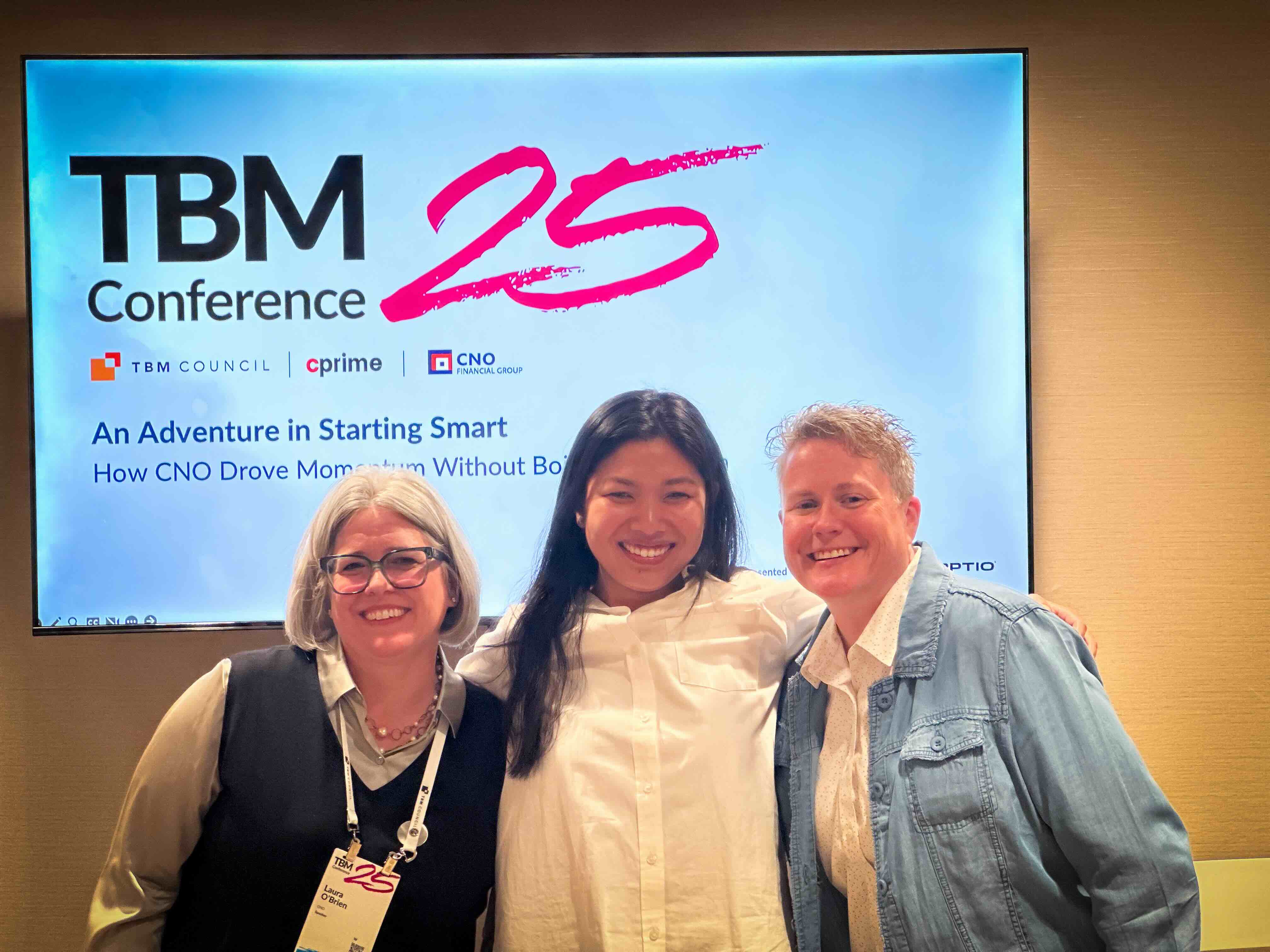
An Adventure in Starting Smart: How CNO Drove Momentum Without Boiling the Ocean 

The story of how CNO built a connected operating model using Apptio Targetprocess and existing tools like Jira, starting with just 30 licenses and no mandate. 

Speakers: Laura O’Brien (CNO), Lindy Quick (CNO), and Oona Ziegler

Session recaps:

Action and Architecture: Southwest Airlines Connects Finance, Capabilities and Demand for App TCO 

See how Southwest Airlines uses Apptio ADM, Datalink, and Targetprocess—integrated with LeanIX—to connect IT, business capabilities, applications, and demand. 

Speakers: Mohammad Attiah and Murat Oran

Session recaps:

Down the SPM Rabbit Hole: Vision + Strategy + Delivery = $ucce$$

Learn how Apptio Targetprocess can automate calculation of labor capitalization based on work item categorization and capacity allocation. 

Speaker: Maxim Danilevsky

Cprime Conversations Podcast

Your operating model isn’t broken… it’s disconnected.

Learn why well-intentioned transformation initiatives keep falling short, and discover the proven framework that leading companies are using to navigate disruption, optimize costs, and unlock sustainable growth. 


Continue the conversation

If you’re assessing how TBM, financial governance, and operating model modernization can accelerate impact across your enterprise, schedule a working session with our experts.
We’ll explore where value flow slows down inside your organization and identify the highest-leverage opportunities to improve outcomes.


Related resources

Maximizing Value with Technology Business Management: A Strategic Guide

Financial Intelligence in Motion: Where TBM Meets FinOps in AI-Native Enterprises

Future-Proofing the Enterprise Operating Model through Enterprise Architecture Management (EAM)

Building an AI Enabled Tech Stack with Atlassian

This guide shows how to build AI maturity with Atlassian’s Rovo, moving from quick-win use cases to enterprise-wide intelligence. It outlines a phased approach—starting small, expanding through smart integrations, and embedding AI into everyday operations—while ensuring governance, security, and team adoption for long-term impact.

3 Key Takeaways:

  1. Begin with focused, high-value AI use cases to prove ROI quickly.

  2. Scale results by integrating AI across your full tech stack.

  3. Sustain success with clean data, strong governance, and skilled teams.

5 Critical Decision Points for AI Adoption with AI-Powered Tools from Atlassian

Don’t waste this opportunity!

Unlock the secrets to AI transformation success in Atlassian with this essential guide that reveals the five game-changing decision points every forward-thinking organization needs to master.

Discover how industry leaders are leveraging Atlassian Rovo and AI-ready ecosystem to drive 40% higher productivity, 70% faster decision-making, and revolutionary business outcomes that leave competitors behind.

Download your copy of 5 Critical Decision Points for AI Adoption with AI-Powered Tools from Atlassian now!